
Australia: Businesses now forced to report on their Emissions
Updated: Mar 11, 2024
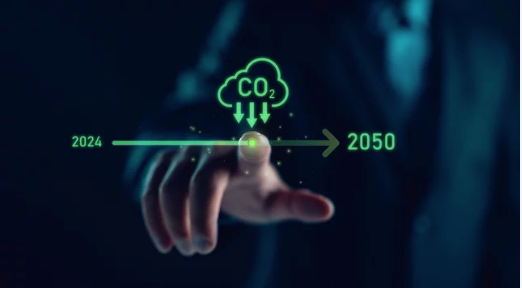
The impending introduction of mandatory climate-related financial disclosures stands to redefine the business landscape in Australia. Come June 2024
This significant regulatory update will require companies to be more introspective about their environmental impact and external in communicating these effects to stakeholders.
Here’s how this move is set to affect Australian businesses and what they need to prepare for.
A Shifting Business Environment
Australian businesses are poised to enter a new era of corporate responsibility. The proposed disclosure requirements will necessitate a detailed analysis of how businesses impact the climate and, in turn, how climatic changes affect business operations, financial planning, and strategy.
This shift will compel companies to:
Assess and Disclose Climate Risks: Companies will need to evaluate their vulnerability to both immediate and long-term climate risks and articulate these in financial terms.
Implement Robust Data Collection and Analysis: As depicted in the shared image, the use of advanced analytics to interpret complex environmental data will be pivotal.
Rethink Investment and Capital Allocation: Businesses must reconsider their investment strategies to prioritise sustainability and climate resilience.
Preparing for Transparency and Compliance
Preparation for these disclosures will involve a multifaceted approach:
Adopting Climate-Conscious Business Models: Companies must weave environmental considerations into their core business models.
Developing New Reporting Frameworks: Standardized reporting frameworks that incorporate climate-related information will need to be established.
Training and Development: Educating internal teams on the importance and methodology of climate-related financial reporting is essential.
Opportunities in Challenges
While the proposed disclosures present challenges, they also offer opportunities for businesses to:
Showcase Leadership in Sustainability: Companies that effectively manage and report on climate issues can enhance their brand and attract customers and investors looking to support responsible businesses.
Innovate for Competitive Advantage: The need to report on climate risks will spur innovation, as companies develop new technologies and processes to mitigate their environmental impact.
Emission scopes
At the core of Australia’s reporting obligations are three ‘Scopes’ of emissions.
Scope 1 covers direct greenhouse gas emissions from the company’s owned or controlled sources
Scope 2 covers indirect greenhouse gas emissions from the generation of purchased electricity, steam, heating and cooling consumed by the reporting company
Scope 3 includes all other greenhouse gas emissions that occur throughout a company’s supply chain.
Proposal
The proposed climate reporting will be phased in over a four-year period from 2024-25 to 2027-28 and involves:
Mandatory reporting requirements starting on 1 July 2024 for Australia’s largest listed and unlisted companies and financial institutions, with other businesses subject to the requirements over time.
A three-year transitional period, with regulator-only action against directors and reporting entities in relation to forward-looking statements and Scope 3 emissions possible during this time.
Broad alignment with international climate disclosure standards.
The proposed phased approach would require ‘Group 1’ entities with more than 500 employees, revenues over $500 million and assets over $1 billion to start reporting in 2024-2025, Group 2 (more than 250 employees, $200 million revenue, $500 million assets) in 2026-27, and Group 3 (more than 100 employees, $50 million revenue, $25 million assets) in 2027-2028.

The Road Ahead
The proposed changes will require businesses to be proactive. They will have to stay abreast of legislative developments, understand the implications of these changes, and start putting systems in place to meet the new requirements.
By acting early, businesses can turn potential disruption into a strategic advantage, setting themselves up as leaders in a new, environmentally-focused market.
In essence, the integration of climate-related financial disclosures into mandatory reporting signifies a substantial shift for Australian businesses. It heralds an age where environmental consciousness is not just good practice but ingrained in the corporate governance and financial transparency that stakeholders demand.


